Reassessing the Fleet: A 2026 Framework for Repowering Decisions at US Wind Sites
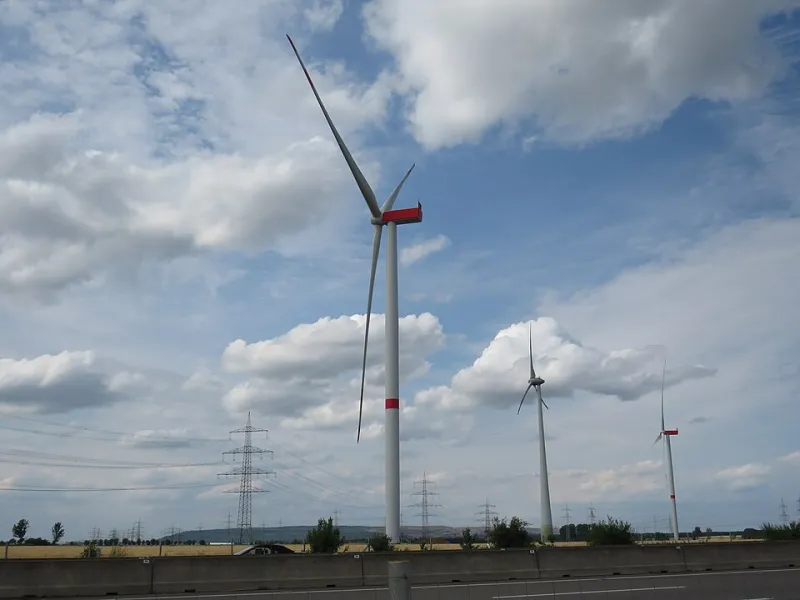
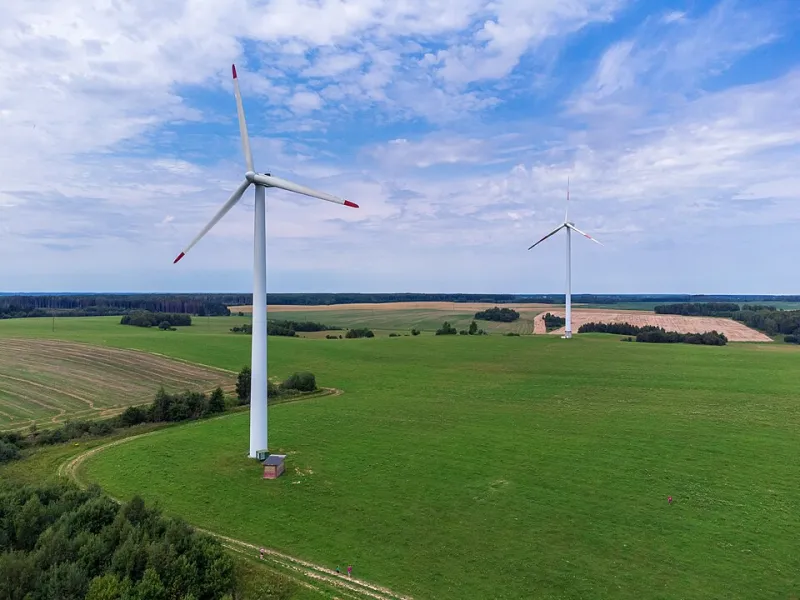
Photo: Adl252, CC0, via Wikimedia Commons
Repowering is often presented as a straightforward arithmetic exercise: replace older turbines with larger, more efficient machines and capture a higher capacity factor. In practice, the decision is a capital allocation problem with technical, contractual, and regulatory dimensions. For US wind farms approaching the end of their original design life, the right answer may be full repowering, partial repowering, life extension, or continued operation with targeted upgrades. The difference between those paths is usually found in the details of performance data and site constraints.
A Capital Decision, Not a Swap
A repowering analysis should begin with the existing asset, not the replacement turbine. The current plant has a production history, a maintenance cost trajectory, a remaining life assessment, and a set of contractual obligations. Those facts establish the counterfactual: what the owner can expect if nothing changes. Without a credible counterfactual, any repowering case is built on an inflated baseline.
The counterfactual should include expected degradation, major component failure risk, O&M escalation, insurance cost, and remaining tax equity or offtake obligations. It should also account for curtailment and grid constraints that may persist regardless of turbine model. A new turbine cannot recover energy that the interconnection point will not accept.
Establish the Performance Baseline
The first analytical task is a rigorous performance baseline. Annual energy production should be reconstructed from SCADA data and compared with the original power curve, accounting for availability, wake losses, electrical losses, and curtailment. Production-based availability is more useful than time-based availability because it captures derates and short stoppages. Capacity factor should be reviewed by year, by season, and by wind sector.
Component condition matters as much as energy history. Gearbox, blade, tower, and foundation inspections should inform remaining life estimates. Maintenance records should be analyzed for recurring faults and rising repair costs. If the plant has been operating under a service agreement, the owner should distinguish between contracted availability and technical performance. A plant that meets its service agreement may still be a poor candidate for life extension if the underlying equipment is degrading faster than the contract assumes.
The Revenue and Incentive Stack
Repowering economics depend heavily on federal and state incentives, offtake contracts, and market prices. In 2026, the US incentive landscape is more complex than a simple headline credit. Owners must evaluate production tax credit or investment tax credit eligibility, recapture risk, beginning-of-construction rules, domestic content and energy community provisions where applicable, and any state renewable portfolio standard or clean energy standard value. The analysis should be reviewed by tax counsel and should include sensitivity to incentive expiration or qualification failure.
Existing power purchase agreements and interconnection rights can be more valuable than the turbine upgrade itself. A site with a long-term contract and firm interconnection capacity may support repowering even if the turbine economics are marginal. A site with an expiring contract and a congested grid may not. The decision framework should separate asset-level returns from contract-level value and should identify which assumptions are legally binding versus market-dependent.
Site and Equipment Constraints
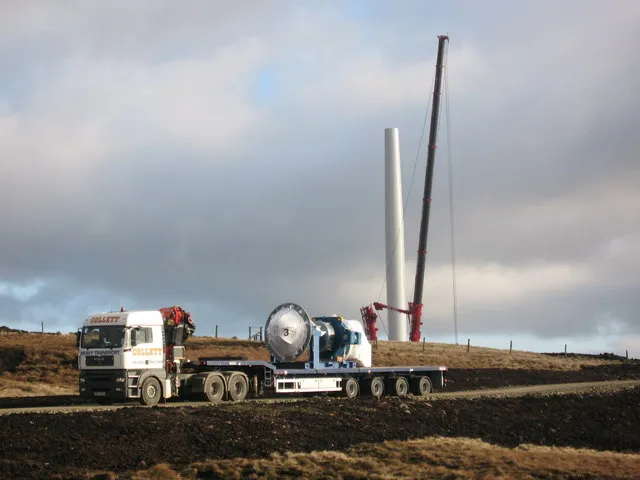
Larger rotors and taller towers can improve energy capture, but they also create physical constraints. Transport routes, crane availability, foundation reuse, tower height, setback requirements, noise limits, wildlife permitting, and local land-use restrictions can all limit the replacement machine. Some sites can accommodate a partial repowering that retains towers and foundations while replacing blades, drivetrains, and controls. Others require a full rebuild.
The grid connection deserves early attention. A repowered plant may have a higher nameplate capacity than the original interconnection agreement allows, or it may need additional reactive power capability, fault ride-through performance, or grid-forming controls. Upgrading the interconnection can add cost and schedule risk. Owners should confirm the available capacity and any required network upgrades before committing to a turbine specification.
Partial Repowering and Life Extension
Partial repowering is often the most capital-efficient path for sites with sound towers and foundations. New blades and drivetrains can raise energy capture, while updated controls can improve wake management and grid compliance. Life extension is a different proposition: it seeks to keep existing machines operating safely beyond their original design life through inspection, component replacement, and revised maintenance regimes. Life extension can be attractive when the remaining resource is good and the grid connection is valuable, but it requires a conservative assessment of fatigue damage and failure risk.
Modeling Without Overestimating Gains
Repowering models should be built around uncertainty, not a single P50 estimate. A defensible model includes P50 and P90 energy production, wake losses, electrical losses, availability assumptions, curtailment, degradation, and O&M cost escalation. It should also include the cost of downtime during construction and the risk of supply-chain delays.
Manufacturer power curves are a starting point, not an energy estimate. Site-specific wind flow modeling, wake modeling, and operational data from similar turbines in similar terrain should be used to adjust expectations. If the plant has a long production history, that history is more valuable than a generic capacity factor assumption. Sensitivity analysis should include lower wind years, higher curtailment, incentive shortfalls, and delayed commissioning.
The decision metrics should be consistent with the owner's capital allocation policy. Net present value, internal rate of return, levelized cost of energy, payback period, and risk-adjusted return can all be useful, but they should be applied to the same counterfactual. A repowering case that compares a new-build return with a zero-cost continuation of an aging plant is not a fair comparison.
A Staged Decision Framework
The practical approach is to stage the decision. First, establish the performance baseline and remaining life. Second, screen the site for physical and grid constraints. Third, model full repowering, partial repowering, life extension, and continued operation against the same energy and cost assumptions. Fourth, review the incentive and contractual stack with legal and tax advisors. Finally, use independent engineering review to test the assumptions that drive the most value.
Repowering can be a strong choice for US wind farms with good wind resources, valuable interconnection rights, and equipment nearing the end of its economic life. It is not a default. The sites that make the best decisions will be those that treat repowering as a performance and risk problem, not merely a turbine replacement exercise.